How to Fix Leaking Gutters: Causes, Simple DIY Fixes, and When to Call the Pros
A leaking gutter can quickly lead to serious water damage if not addressed.
This guide covers the most common causes, straightforward DIY repairs for minor issues, and clear signs indicating it’s time to call a professional.
Addressing gutter repair early protects your home’s structure and curb appeal, preventing more extensive and costly repairs later. Read on to discover common causes, practical DIY steps, when to seek professional help, and how to prevent future leaks.
TL;DR — How to Fix Leaking Gutters: Causes, Simple DIY Fixes, and When to Call the Pros
- Find the cause first—clogs, worn seams, holes, or misaligned sections
- DIY basics: clean gutters and downspouts, tighten hardware, test with a hose
- Seal small leaks by drying thoroughly, applying gutter sealant, and letting it cure
- Call a pro for sagging runs, repeated leaks, fascia rot, or foundation drainage risks
- Prevent future leaks with routine cleaning, downspout extensions, and quality gutter guards
Common Causes of Gutter Leaks
Gutter leaks typically stem from a few predictable problems: clogs, physical damage, and poor installation.
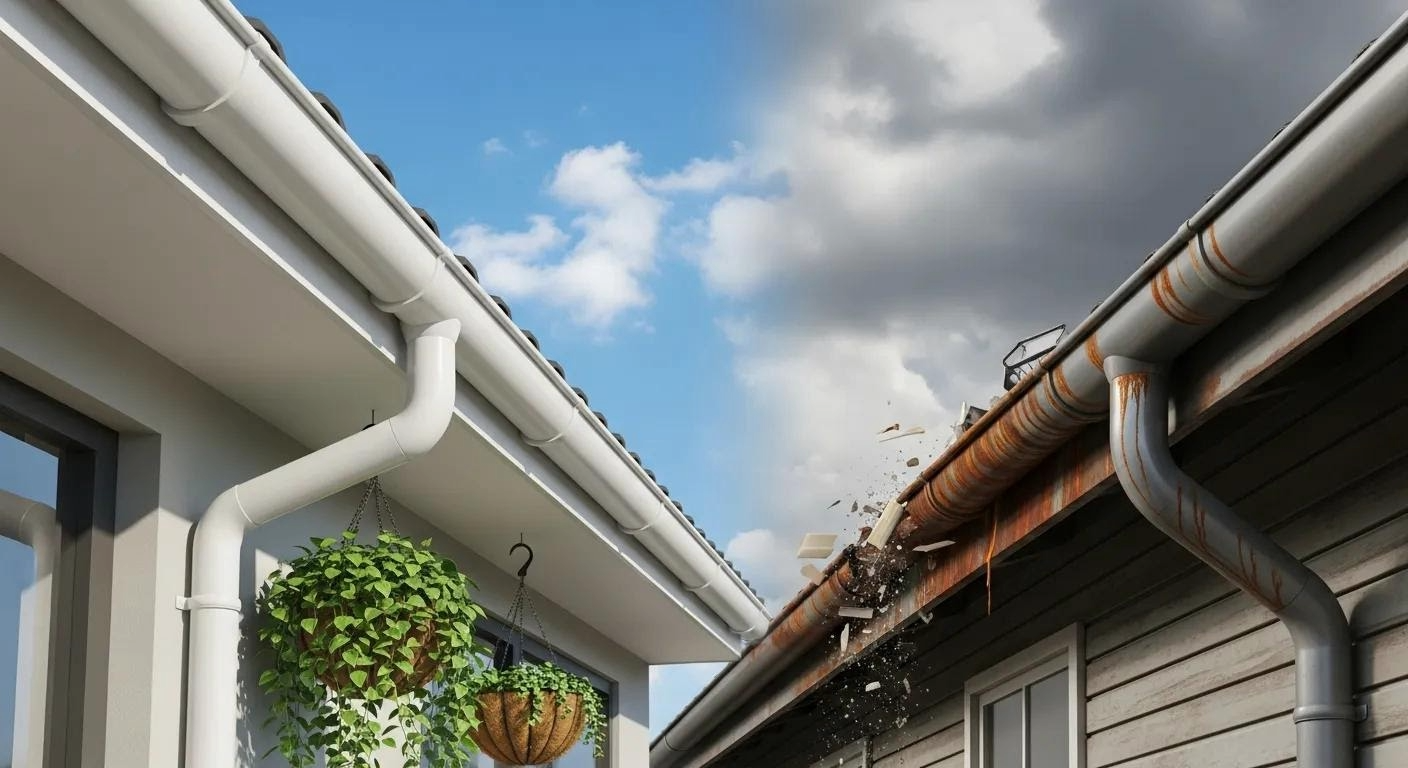
Debris can block water flow, leading to overflows. Worn seals and loose joints allow water to escape. Additionally, holes or cracks caused by corrosion or impact can create persistent leaks.
Spotting the root cause quickly makes repairs easier and helps keep your gutters working longer.
How clogs and debris cause leaks
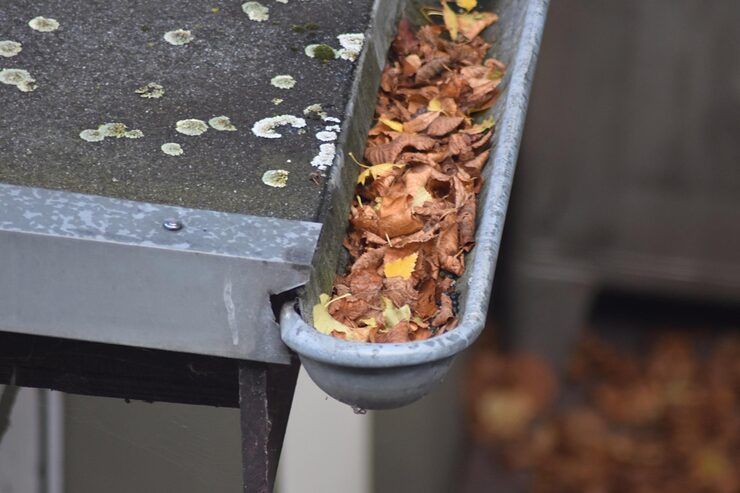
Leaves, pine needles, and roof grit can build up, preventing water from flowing through the gutter. When water backs up, it finds weak points, like seams, joints, and small holes, and starts leaking.
Heavy debris can also cause gutters to sag or pull away from the roofline.
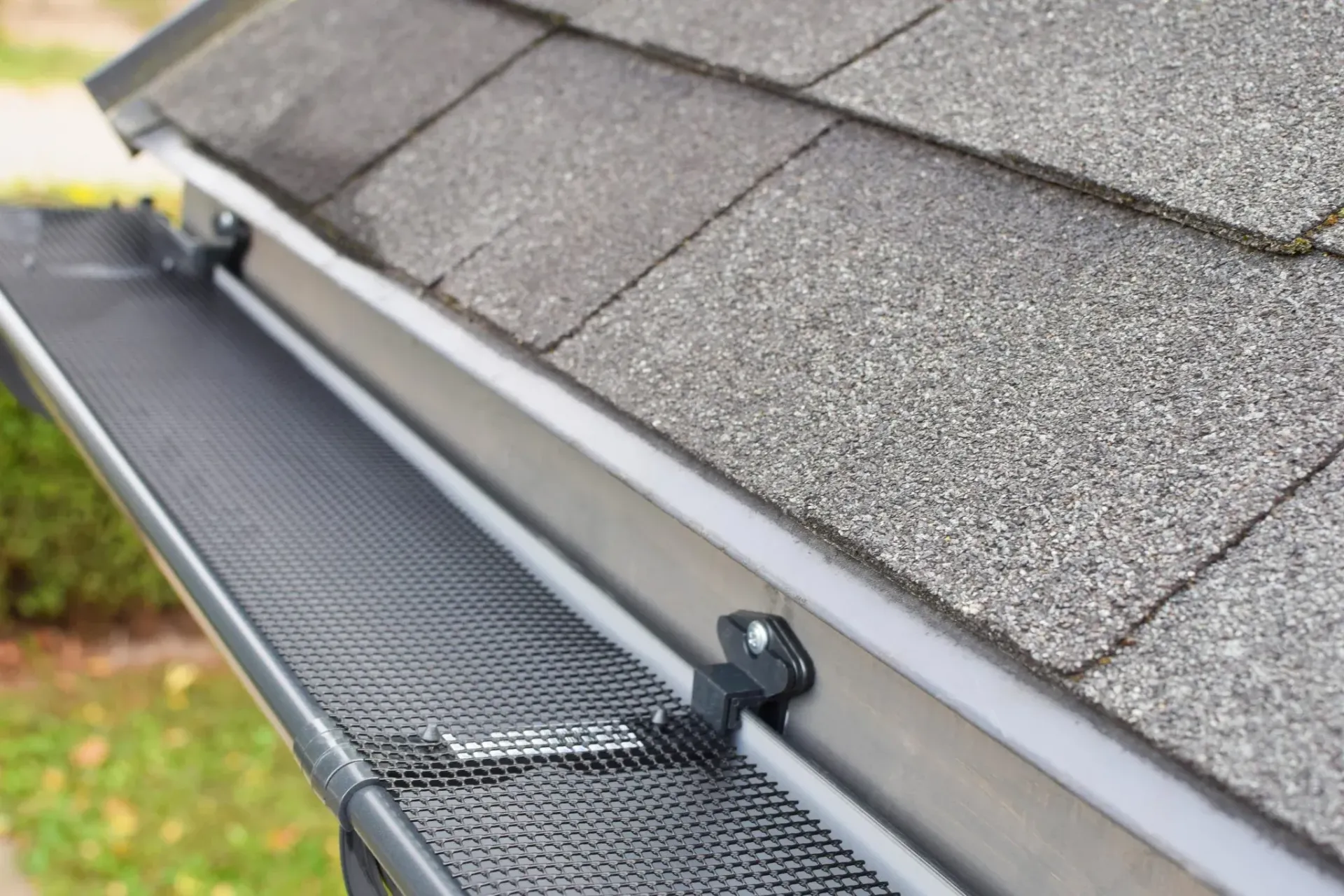
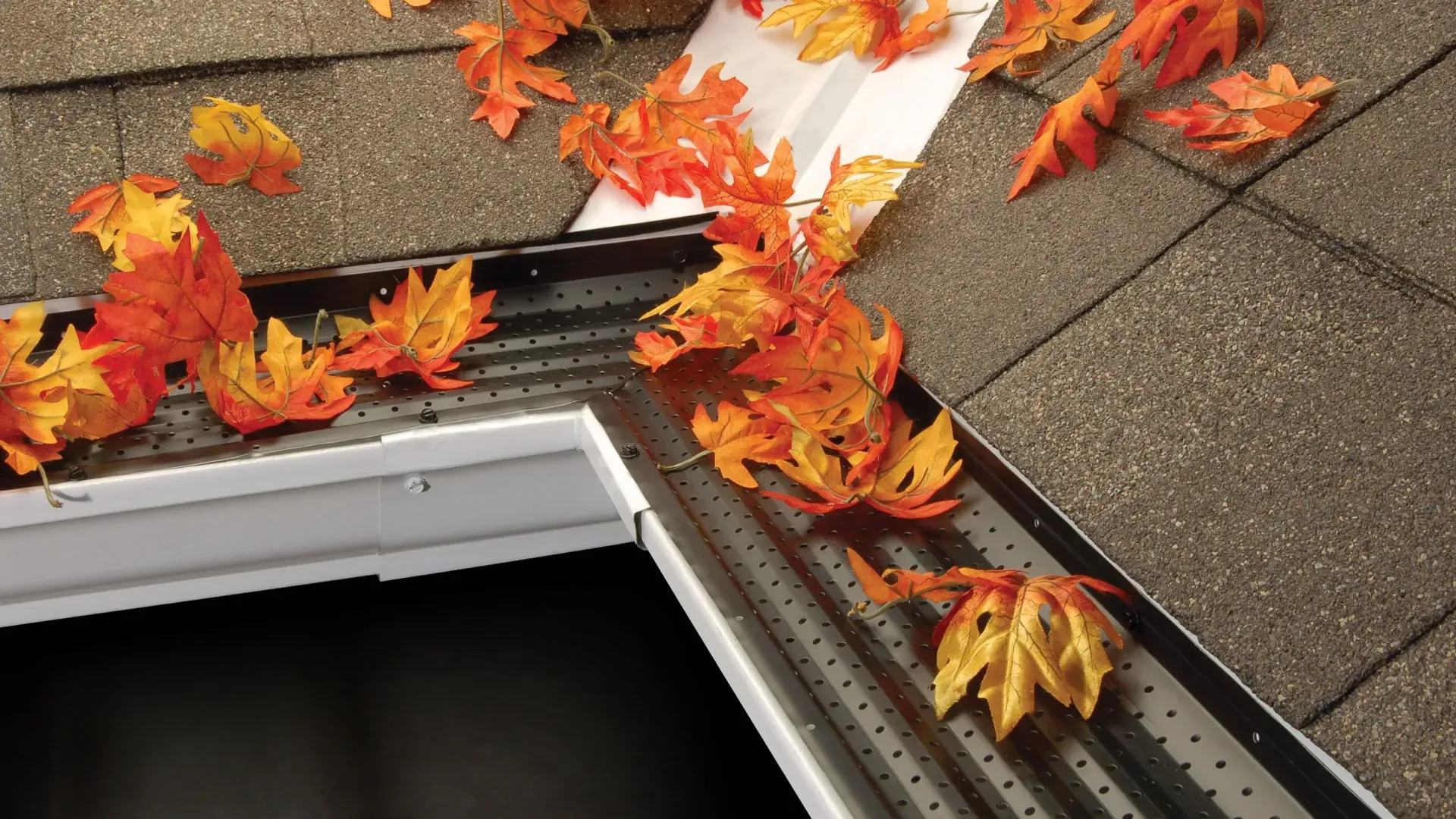
Installing quality gutter guards reduces debris buildup and cuts down on clogs, but regular cleaning remains important.
How damaged seals, joints, and gutters create leaks
Seals and joints wear out over time, especially with repeated freeze/thaw cycles or prolonged exposure to sun and rain.
Loose seams, misaligned joints, rusted areas, and impact damage all allow water to escape the system.
Routine inspections make it easier to catch deterioration early and repair or replace affected sections before the problem spreads.
DIY: Fixing Minor Gutter Leaks
Many small gutter leaks are manageable for a confident homeowner. Follow these basic steps and prioritize safety. Always use a stable ladder and have someone nearby if possible.
- Clean your gutters: Remove leaves and debris by hand or with a leaf blower. Clear the downspouts, too.
- Check for leaks: Run a hose along the gutter and watch for drips at seams, joints, or holes.
- Inspect downspouts: Make sure downspouts carry water at least 3–4 feet from your foundation; add extensions if needed.
- Tighten loose hardware: Refasten brackets, replace pulled nails or screws, and re-secure sagging sections.
- Trim nearby trees: Cut back overhanging branches to reduce debris and roof damage.
These actions keep water moving properly and prevent many common problems before they worsen.
Steps to seal a leaking gutter
- Locate the leak: Run water from a hose and mark where it drips.
- Clean the area: Remove debris, dry the surface, and scrape away rust or loose paint for good adhesion.
- Apply sealant: Use a quality gutter sealant or roofing cement and cover the entire gap or seam.
- Smooth the sealant: Tool the sealant with a putty knife so it bonds evenly and looks neat.
- Let it cure: Follow the manufacturer’s cure time before running water again to test the repair.
When cleaning and resealing will usually be enough
Cleaning and resealing can stop most small, localized leaks, especially those at seams or small holes.
If leaks persist after resealing, or if you find large holes, heavy corrosion, or structural issues like extensive sagging, schedule a professional inspection.
Persistent problems often require replacement or more involved repairs.
When to Call a Professional for Gutter Leak Repair
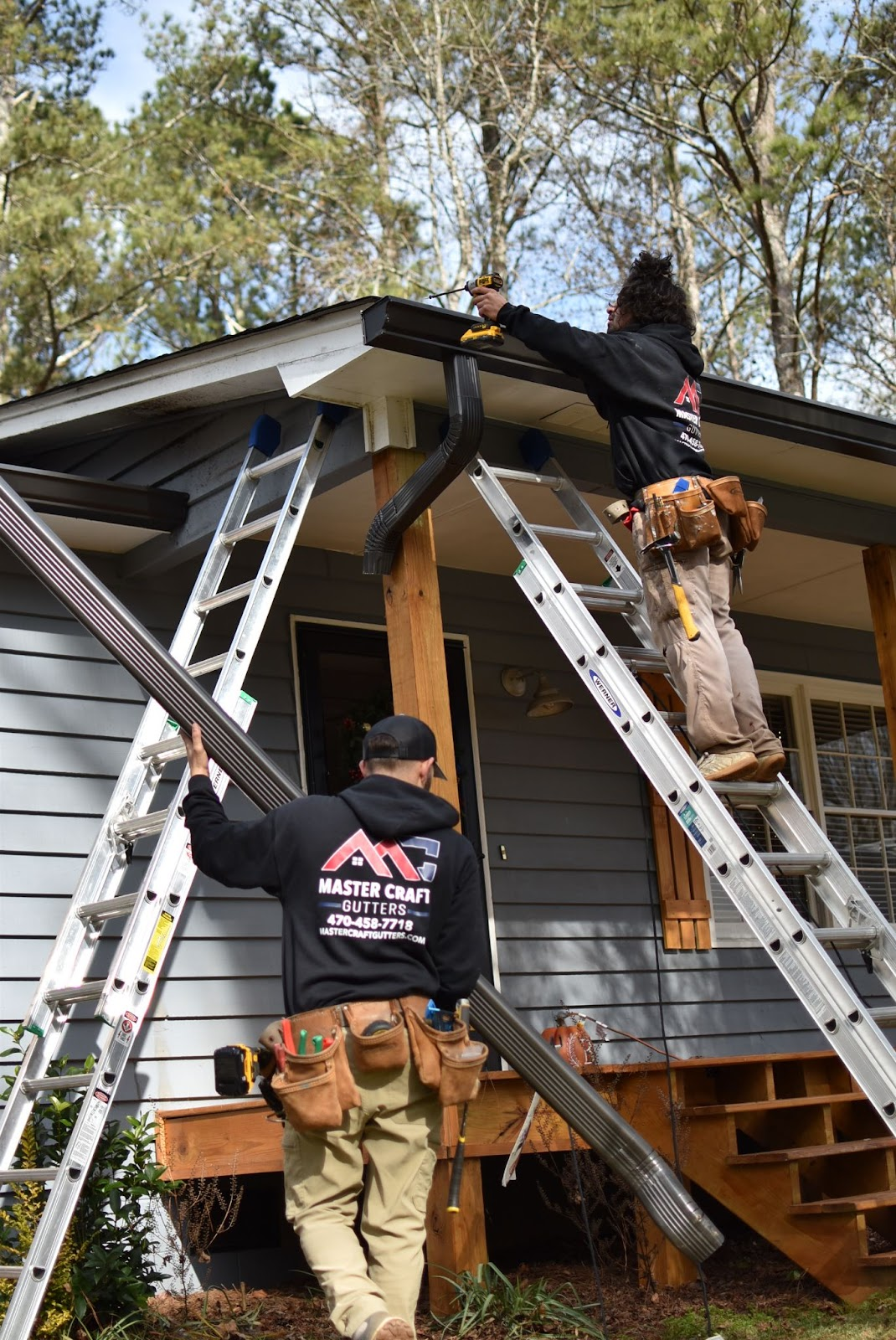
Call a professional if gutters are sagging, if you see repeated leaks, or if you anticipate severe weather that could worsen an existing problem. For comprehensive gutter repair services, a professional assessment is often the best course of action.
Also, hire a professional if you’re not comfortable on a ladder, if the damage is extensive, or if you suspect underlying issues like fascia rot or foundation risk. Understanding the differences between professional vs. DIY gutter repair can help you make an informed decision.
Professionals have the tools and experience to fix complex problems safely and correctly.
Signs of serious damage or safety risks
- Visible leaks: Water dripping from seams, joints, or holes during a water test.
- Sagging sections: Loose or detached brackets and pulled fasteners.
- Foundation problems: Water pooling near the foundation or signs of settling.
- Rotted fascia: Soft or damaged fascia boards behind the gutters.
- Basement flooding: Water entry that suggests poor drainage.
- Mold or mildew: Ongoing moisture that creates health and structural risks.
- Damaged landscaping: Soil erosion or plants suffering from poor runoff control.
Any of these signs mean you should act quickly to prevent more serious damage.
How Master Craft Gutters handles repairs across North Georgia
At Master Craft Gutters, we repair and install gutters throughout North Georgia, including expert gutter repair in Cumming, with an emphasis on quality and long-term performance.
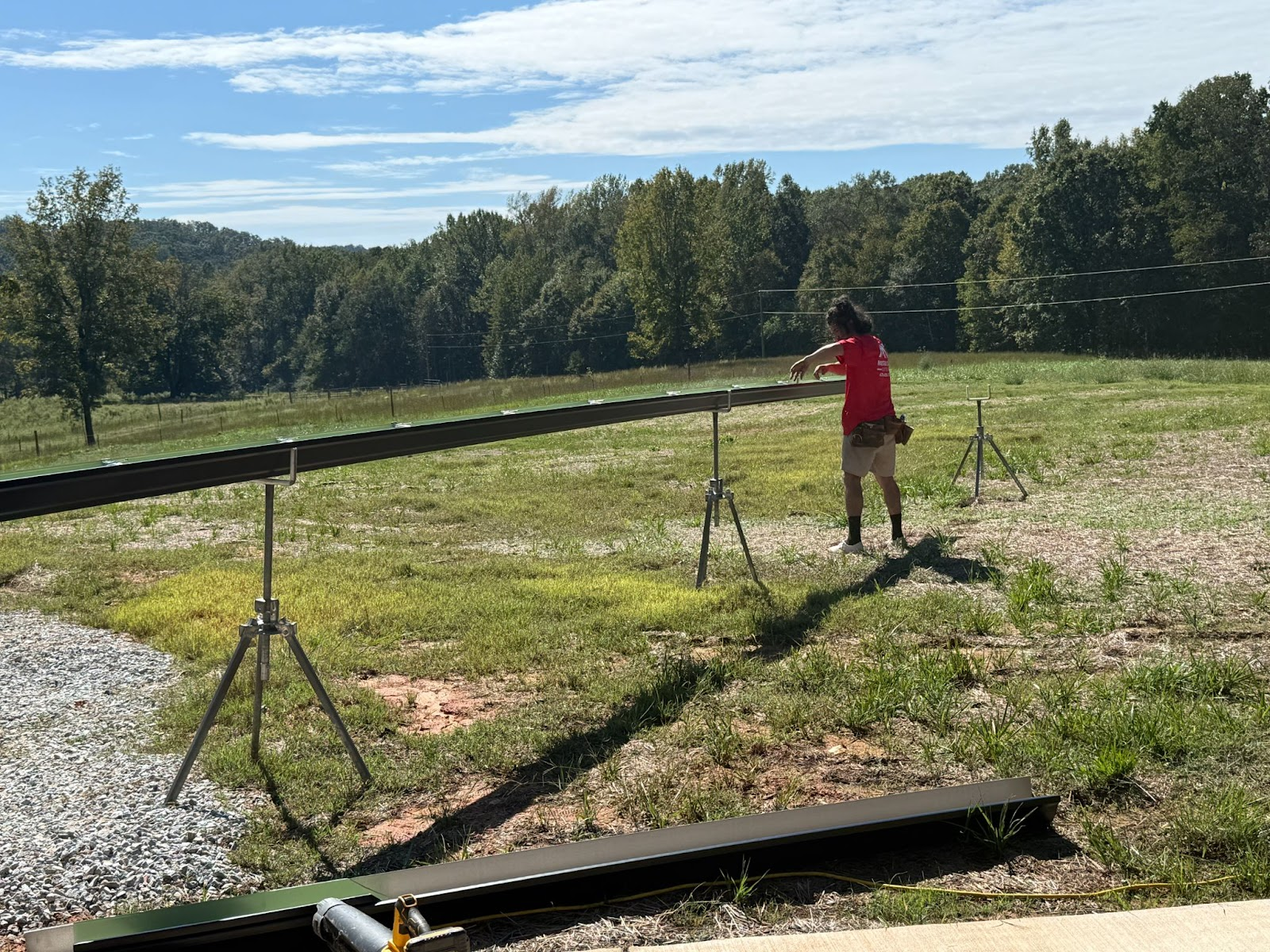
We install 6" K-style seamless gutters cut on-site for a precise fit, and we address related issues like fascia repair and downspout placement at the same time.
Our crews recommend gutter guards tailored to each property to reduce clogs and maintenance.
We aim for installations and repairs that last, protecting homes and giving owners peace of mind.
Preventing Future Gutter Leaks and Damage
Preventive maintenance keeps gutters working efficiently and saves money long term. These steps help reduce leaks and extend service life:
- Clean your gutters regularly: Remove leaves and debris seasonally or as needed.
- Check for leaks: Run water and inspect seams, joints, and visible areas.
- Inspect downspouts: Make sure water is directed 3–4 feet away from the foundation.
- Tighten hardware: Re-secure loose brackets and replace damaged fasteners.
- Trim nearby trees: Cut back branches that drop debris onto the roof.
- Install gutter guards: Consider guards to reduce clogging while keeping water flow steady.
How gutter guards reduce leaks and clogs
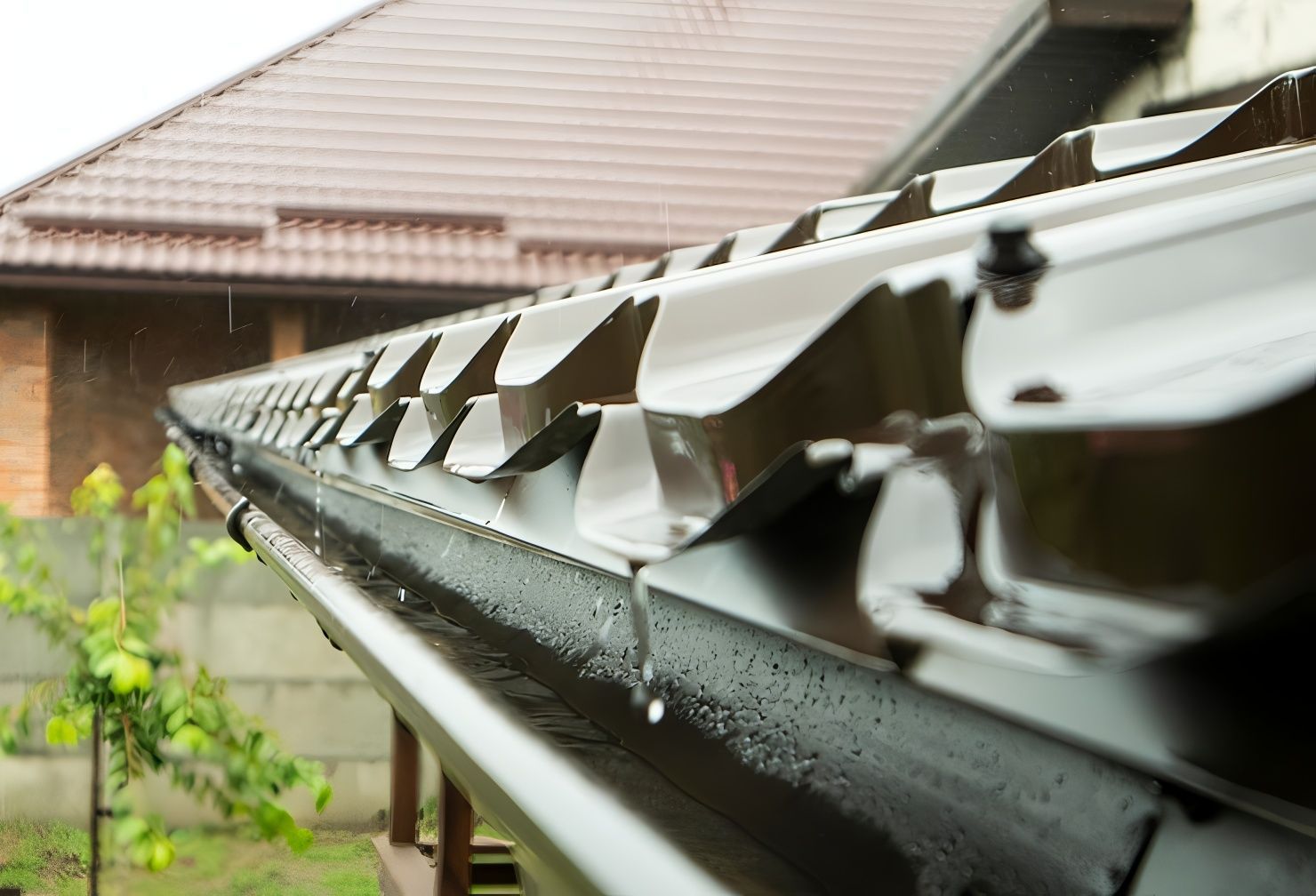
Gutter guards block leaves and debris while allowing water to flow into the channel.
This reduces how often you need to clean and lowers the chance of overflow-related leaks.
Properly chosen and installed guards extend the life of the gutter system and make maintenance safer and easier.
Conclusion
Leaking gutters are preventable and often fixable without major expense, if you catch problems early.
Regular cleaning, timely repairs, and the right upgrades (like correctly sized gutters and quality gutter guards) keep water away from your home and protect its value.
For expert help, reliable products, or a no-surprises installation, explore Master Craft Gutters’ solutions or reach out to our team today.